
2026 Real Estate Market Insights: What You Need to Know About Pune’s Evolving Property Landscape
Pune real estate market 2026
Pune, once known as a peaceful educational hub, has firmly established itself as one of India’s most resilient and closely watched real estate markets. With a strong IT and manufacturing base, expanding infrastructure, and a maturing buyer base, Pune’s property market in 2026 is entering what analysts describe as a “quality cycle” – steady, demand-driven growth rather than speculative spikes. Here’s a closer look at the key trends shaping Pune’s real estate market this year.
1. Steady, Selective Price Growth

The average asking price across Pune stood at approximately ₹13,400 per sq. ft. as of mid-2026, according to Square Yards market data, continuing a steady upward trajectory from around ₹11,050 per sq. ft. in September 2025. Premium West Pune localities such as Baner, Aundh, and Balewadi now command ₹12,000–₹22,000 per sq. ft. for quality residential projects, while IT-corridor addresses like Hinjewadi, Wakad, and Kharadi – the city’s most transactionally active price segment – range between ₹7,000–₹14,000 per sq. ft.
Industry reports differ slightly on 2025 sales volumes (estimates range from roughly 50,000 to over 80,000 units depending on the reporting agency’s scope), but they broadly agree on one thing: transaction value has kept rising even where unit sales have moderated, pointing to a market driven by genuine end-user demand rather than speculation.
Key Takeaways:
- Premium localities like Baner, Aundh, and Koregaon Park continue to see steady annual appreciation, with West Pune posting some of the strongest quarterly momentum in the city.
- Emerging corridors such as Punawale, Marunji, Tathawade, and Ravet are drawing spillover demand from Baner and Wakad, offering relative affordability alongside improving infrastructure.
2. IT and Industrial Growth Continue Driving Demand

Pune remains one of India’s most important IT hubs, with Hinjewadi – home to Asia’s largest IT park and over 400,000 working professionals – continuing to anchor residential demand across the western corridor. Magarpatta and Kharadi’s established employment bases, alongside continued industrial expansion in Chakan, Talegaon, and Ranjangaon, are sustaining housing demand well beyond the immediate IT-park vicinity.
Pune’s relative affordability compared to Mumbai, combined with comparable career opportunities, continues to draw working professionals and families seeking a lower cost of living within commuting distance of both cities.
Key Takeaways:
- Hinjewadi and Wakad continue to post some of the strongest quarterly price momentum in Pune, driven by proximity to IT employment.
- Magarpatta’s self-sustained township model – blending residential, commercial, and retail spaces – remains a strong draw for end-users.
3. Affordability Still Anchors First-Time Buyer Demand
While Pune’s premium segment has grown substantially – homes priced between ₹1–2 crore have seen roughly 300% growth in units sold since 2021 – affordable and mid-segment housing remains the backbone of the market. Localities like Wagholi, Hadapsar, Undri, and Moshi continue to attract first-time buyers with lower entry prices and steadily improving infrastructure.
Buyers are also increasingly favouring RERA-registered projects for the transparency they offer around delivery timelines and legal compliance – a trend that has only strengthened through 2026.
Key Takeaways:
- Wagholi, Undri, and Moshi continue to see consistent interest from first-time buyers seeking affordable entry points.
- RERA-registered projects are increasingly the default filter buyers apply before shortlisting a property.
4. Branded Developers and Gated Communities Remain the Buyer’s Filter of Choice
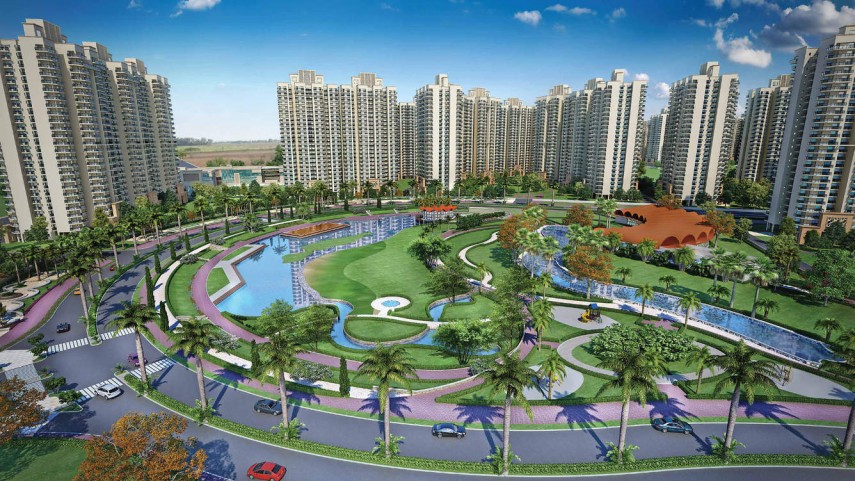
Pune buyers have grown noticeably more selective. A developer’s delivery track record is now treated as a primary filter rather than a footnote, and gated communities with 24/7 security, clubhouses, and landscaped green spaces remain highly sought after in Baner, Wagholi, and Hinjewadi.
Smart-home features – automation, energy-efficient systems, and integrated technology – continue gaining ground, particularly among younger buyers and in premium segments.
Key Takeaways:
- Gated communities in Wakad, Kharadi, and Baner remain in high demand for their integrated lifestyle offering.
- The smart-home segment continues expanding, particularly in premium pockets like Koregaon Park and Kalyani Nagar.
5. Metro Line 3 and Ring Road Reshaping Growth Corridors
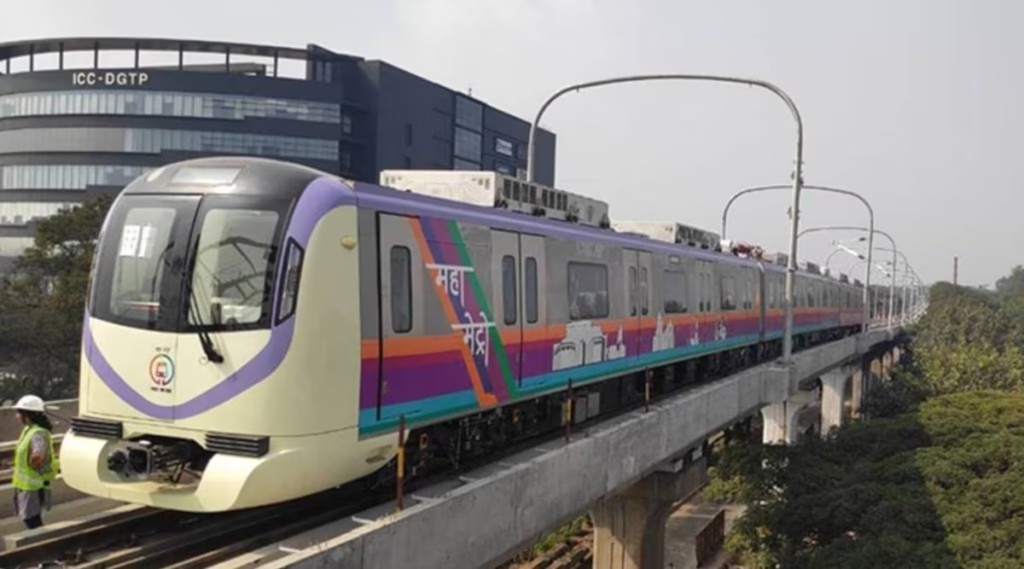
2026 has been a landmark year for Pune’s transit infrastructure. Phase 1 of the Hinjewadi–Shivajinagar Metro Line 3 – a 23.3 km elevated corridor with 23 stations – began operations this year, cutting commute times from up to two hours down to roughly forty minutes for the Hinjewadi–city stretch. Industry analysts are already attributing a 12–18% price premium to properties within about 500 metres of confirmed metro stations, compared to similar properties further away.
Meanwhile, the 128 km Pune Ring Road continues under construction, with partial sections expected by 2027–28. As the road takes shape, it is expected to open up entirely new residential growth corridors along the periphery, similar to how CIDCO infrastructure reshaped Navi Mumbai’s outskirts.
Key Takeaways:
- Metro Line 3 is creating a clear “metro premium” for Hinjewadi, Wakad, Baner, and Balewadi properties near stations.
- The Pune Ring Road is expected to unlock new growth corridors on the city’s periphery as construction progresses through 2027–28.
6. Sustainable and Green-Certified Homes Gaining Ground
As environmental awareness grows among buyers, demand for eco-friendly and green-certified developments continues to rise. Developers are increasingly incorporating solar energy, rainwater harvesting, and energy-efficient construction, with areas like Aundh and Koregaon Park continuing to see a concentration of eco-conscious projects.
Key Takeaways:
- Sustainable features remain a meaningful differentiator for buyers, not just a marketing checkbox.
- Green-rated buildings continue gaining traction in both residential and commercial segments.
7. Commercial Real Estate and Co-working Continue to Expand
Pune’s commercial real estate market remains robust, with Kalyani Nagar, Viman Nagar, and Hinjewadi continuing as key business hubs. Office gross leasing volumes reached historic highs in 2026, and mixed-use developments combining residential, office, and retail components are gaining favour as the city matures into a more holistic urban ecosystem.
Co-working and flexible workspace formats continue to grow as companies adopt hybrid work models, while rental yields for commercial properties in zones like Baner and Kharadi remain attractive at roughly 7–9% annually, compared to 3–4% for typical residential rentals.
Key Takeaways:
- Commercial hubs like Hinjewadi, Baner, and Viman Nagar are seeing sustained demand for office and retail space.
- Co-working spaces remain a strong investment category, particularly for startups and remote/hybrid teams.
Conclusion: A Mature, Steady Outlook for Pune Real Estate in 2026
Pune’s real estate market in 2026 reflects a healthier, more mature phase than the rapid volume growth of previous years – defined by genuine end-user demand, major transit infrastructure coming online, and a buyer base that increasingly prioritises developer credibility and long-term value over speculation. Whether you’re looking to buy your first home, invest in an emerging corridor, or explore commercial opportunities, Pune continues to offer a wide range of options across price points and locations.
For more insights or to explore Pune’s top real estate listings, get in touch with us at Hafee Realty today!
